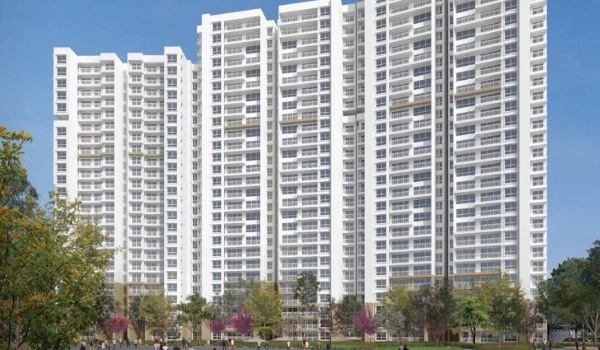
Stamp Duty Registration Charges in Karnataka

Featured Image of Stamp Duty Registration Charges In Karnataka


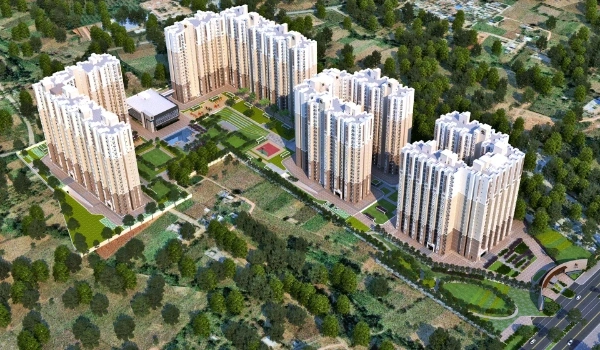
Stamp duty and registration charges in Karnataka are important costs that every property buyer should plan for before purchasing a home, apartment, plot, or other property. In 2026, the registration fee in Karnataka is 2% of the property value, while stamp duty can be 2%, 3%, or 5%, depending on the property's value. For most residential properties priced above ₹45 lakh, buyers generally pay 5% stamp duty, 2% registration fee, and around 0.6% in cess and surcharge, making the total approximately 7.6% of the applicable property value. This cost is something you should include in your budget whether you are buying a plot, a resale house, or a new apartment like Sattva Vasuvi. The project launch on October 15, 2026, with expected possession by December 31, 2031. Knowing the stamp duty and registration charges in advance helps buyers plan their budget properly and avoid unexpected expenses at the time of property registration.


What Is Stamp Duty in Karnataka?


Stamp duty is a state tax you pay to transfer property ownership legally. It makes your sale deed valid in the eyes of the law. You must pay this fee when you buy any house or plot. In Karnataka, the exact cost depends heavily on your property price. A higher price means a higher tax rate. The state government sets and controls these rates. You cannot avoid this payment at all. If you do not pay, your property papers are not legal. This cost is a separate expense. Banks usually do not cover it in your standard home loan. You must save up for it yourself.

What Are Registration Charges in Karnataka?


Registration charges are the fees you pay to record your property deal with the government. In 2026, Karnataka charges a flat 2% fee to register any property. The state increased this rate from 1% to 2% in August 2025. This 2% fee applies to flats, plots, and commercial shops alike. Paying this fee puts your name in the state property records. It proves to the public that you are the true owner. It also helps prevent major property fraud. You pay this fee at the local sub-registrar office. You must pay it on the day you sign your legal papers.

Stamp Duty and Registration Rates in Karnataka 2026


The current rates depend on the value of your property. Here are the 2026 rates that buyers should know:

  • Properties up to ₹20 lakh: 2% Stamp Duty + 2% Registration Fee
  • Properties from ₹20 lakh to ₹45 lakh: 3% Stamp Duty + 2% Registration Fee
  • Properties above ₹45 lakh: 5% Stamp Duty + 2% Registration Fee

Most homes in big cities cost more than ₹45 lakh today. So, most home buyers end up paying the 5% stamp duty. You also pay a small extra cess. The total government cost is roughly 7.6%.

How Is Stamp Duty Calculated in Karnataka?


The state calculates your stamp duty based on the property market value. This market value is known as the government guidance value. The state sets this minimum price for every single street and area. If your agreed buying price is higher, the state uses your price. They always pick the higher number to calculate taxes.

Here is a math example for a ₹1 crore house:

  • Stamp duty at 5%: ₹5,00,000
  • Registration fee at 2%: ₹2,00,000
  • Cess and surcharge at 0.6%: ₹60,000
  • Total extra cost: ₹7,60,000

This means you need ₹7.6 lakh extra in cash to register a ₹1 crore home. The exact amount varies slightly based on the local rules.

Registration Rules for New Projects Like Sattva Vasuvi


Yes, you must pay full registration charges when you buy a brand-new apartment. The standard tax rules apply to all new real estate projects. For example, look at the upcoming project Sattva Vasuvi.

  • Launch Date: October 2026
  • Possession Date: December 2031
  • RERA Status: Applied

If you buy a new flat in Sattva Vasuvi for ₹1 crore, you must pay the 7.6% tax. You pay this money before the builder hands over your keys. Always ask your builder for a full cost sheet early. This helps you keep your buying budget on track.

Do Women Buyers Get a Stamp Duty Discount?


No, Karnataka does not give women buyers a discount on stamp duty. The tax rate is the same for men and women. The rate only depends on the actual property price. Some other Indian states offer a 1% discount for women buyers. Karnataka does not follow this rule in 2026. If you buy a house jointly with your wife, the rules stay the same. You still pay the standard 5% duty for homes over ₹45 lakh.

Why You Must Check the Government Guidance Value


The guidance value is the price fixed by the government for properties in an area. Check this value before buying a property. If you buy the property for less than this value, your charges may still be based on the guidance value. So, check it early to know how much you need to pay for registration.
Other Property Buying Costs


Stamp duty and registration are not your only extra costs. You will face a few other small fees when buying.

  • You must pay a lawyer to check the property titles.
  • Banks will charge a home loan processing fee.
  • New flats require an advance maintenance deposit.
  • Under-construction flats also attract a separate GST.
  • Keep these extra fees away from your 7.6% registration budget.

FAQs


1. What is the stamp duty in Karnataka for 2026?

The standard stamp duty is 2%, 3%, or 5%. It depends entirely on your property price. Homes priced above ₹45 lakh always attract a 5% tax rate.

2. What are the registration charges in Karnataka 2026?

The registration fee is exactly 2% of the property value. The state government raised this fee from 1% to 2% in August 2025.

3. How much is the total tax for a ₹50 lakh home?

A ₹50 lakh home falls in the 5% tax slab. Your total cost will be about 7.6% with cess. This equals roughly ₹3.8 lakh in government taxes.

4. Do buyers pay stamp duty on under-construction flats?

Yes, you must pay it before the final sale deed is signed. Projects like Sattva Vasuvi need full tax payments before you get the final keys.

5. Is GST included in my stamp duty payment?

No, GST is a completely different tax. GST goes to the central government. Stamp duty goes to the state government. You pay them separately.

Enquiry
Enquire Now