NRIs guide to Buying Property in Bangalore

Featured Image of Nris Guide To Buying Property In Bangalore


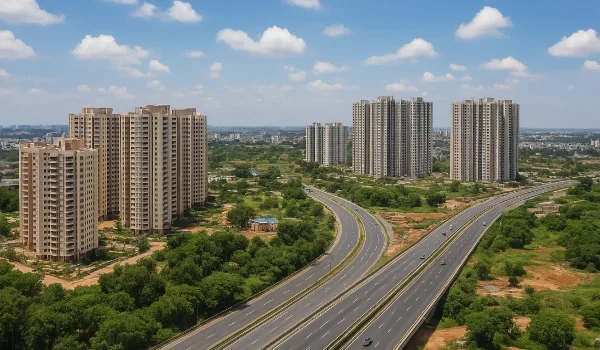
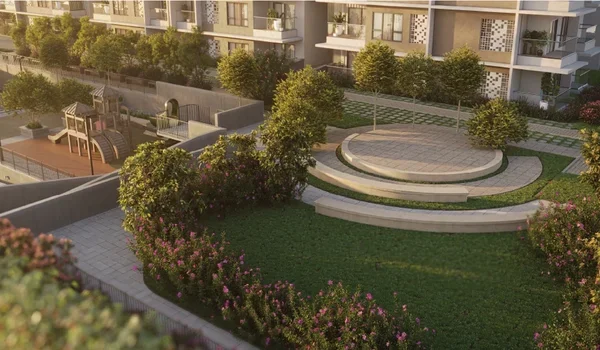
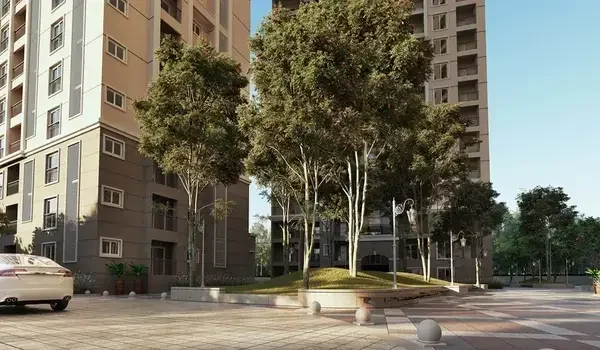
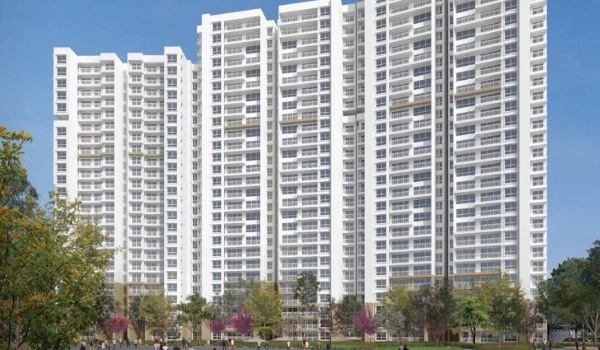
An NRI can buy property in Bangalore without becoming a resident of India.NRIs can usually buy residential and commercial properties as per Indian rules. The process is simple when you follow the right steps. You need to choose a property, check the property papers, arrange the money, pay the required charges, and complete the registration. Bangalore is a popular choice for NRIs because it has many IT companies, good job opportunities, better connectivity, and a growing housing market. Sattva Vasuvi in East Bangalore is one project that NRIs can consider if they want a new home or a property for long-term investment.

Who Is an NRI Property Buyer?


An NRI is an Indian citizen who lives outside India for a job, business, or education needs. The RBI sets clear rules on what types of properties you can buy in the country.

NRIs can freely purchase two main types of properties:

  • Residential Homes: This includes ready apartments, under-construction flats, villas, and housing plots.
  • Commercial Real Estate: This includes office rooms, retail shops, and warehouses.

You cannot buy agricultural land, farmhouses, or plantation properties in India. You can only get these restricted lands if you inherit them from your family. If you want to sell inherited farm land, you must follow strict RBI rules.

Why Do NRIs Invest in Bangalore Property?


NRIs invest in Bangalore real estate because the city offers high rental returns and steady price growth. The city is the main technology hub of India and hosts thousands of global IT companies.

Investing here gives you clear financial benefits:

  • Growing Job Market: Areas like Whitefield, Sarjapur Road, and Hebbal have many IT companies and attract a large number of working professionals.
  • Good Rental Income: Homes near major IT parks often have good rental demand and can give rental returns of around 3% to 5% a year.
  • Better Infrastructure: The expansion of the Namma Metro and the new airport roads are increasing property values quickly.
  • Family Use: Many buyers purchase luxury flats to give a safe home to their parents living in India.

Can NRIs Buy Property in Bangalore?


Yes, NRIs can buy residential and commercial properties in Bangalore without asking the government for approval. You have full freedom to buy as many properties as you want.

Before you pay any money, you must check these four key points:

  • Your Legal Status: Make sure your NRI or OCI card is valid and up to date.
  • Land Type: Double-check that the plot is zoned for housing or business use only.
  • Money Source: You must use official banking channels to send your money.
  • RERA Check: Ensure the project is registered with the Karnataka Real Estate Regulatory Authority (K-RERA).

Documents Required for an NRI to Buy Property


An NRI needs specific documents to buy a home in Bangalore, including identity cards and financial proofs. Keeping these papers ready will prevent delays during the registration process.

You must collect these personal documents:

  • Passport and Visa: You need a valid Indian passport or an OCI card to buy property in India.
  • PAN Card: A PAN card is needed for property purchase and tax-related work in India.
  • Overseas Address Proof: You can use documents such as a foreign driving licence or utility bill as proof of your address.
  • Bank Records: Keep your latest non-resident bank statements ready.
  • Power of Attorney (POA): You need this if a relative is signing papers for you in India.

Can an NRI Take a Home Loan in Bangalore?


Yes, NRIs can get a home loan from any major Indian bank to fund up to 80% of the property cost. The monthly payment terms and interest rates are very similar to resident loans.

Indian banks will check these items before approving your loan:

  • Monthly Income: The bank checks your foreign salary after converting it into Indian Rupees to see if you can repay the loan.
  • Job Stability: You may need to show a steady work history, usually for at least two years.
  • Credit Score: Banks check international credit reports along with your Indian CIBIL score.
  • Loan Term: Most banks offer loan tenures between 5 and 20 years for non-residents.

How Should NRIs Make Property Payments?


NRIs must make all property payments through NRE, NRO, or FCNR bank accounts. Paying with physical cash or unapproved personal accounts violates the law and brings heavy fines.

These bank accounts work under different rules:

Account Type Source of Funds Repatriation Status
NRE (Non-Resident External) Earned entirely outside India in foreign currency Fully and freely repatriable back overseas
NRO (Non-Resident Ordinary) Earned inside India (rent, dividends, pensions) Repatriable up to USD 1 million per financial year
FCNR (Foreign Currency Non-Repatriable) Fixed deposits held in foreign currency notes Fully repatriable along with accrued interest

Always save your bank receipts and foreign remittance certificates. These papers prove your money came from a legal source.

Step-by-Step Process for Buying Property in Bangalore


1. Set Your Goal

First, decide why you want to buy the property—for rent, future value, or your own use. Your purpose will help you choose the right location and property size.

2. Choose the Location

Pick areas that sit close to major metro lines and big tech parks. The Marathahalli area in East Bangalore is an excellent choice for property buyers. For example, Sattva Vasuvi is a major project coming up in this micro-market. Its launch date is set for May 15, 2026, and its possession date is December 2031. It is currently waiting for its final K-RERA approval number. This makes it a great early choice for investors.

3. Verify the Builder

Check the builder’s past projects, reputation, and delivery record before paying any booking amount. Choose a builder known for good construction quality and timely delivery.

4. Check the Legal Papers

Hire a local property lawyer to review the mother deed and title history. A clean title ensures the property has no court cases or hidden debts.

5. Sign the Agreement

Read the Sale Agreement carefully to check the flat size, total cost, and delay penalties. Make sure you understand all cancellation fees before you sign the paper.

6. Arrange Your Funds

Send your money through your NRE or NRO account based on the construction stages. Remember to budget for extra costs like stamp duty, registration fees, and GST.

7. Register the Deed

Visit the local Sub-Registrar office to sign the final sale deed and pay the state fees. Registration officially transfers the property ownership to your name.

8. Take the Keys

Inspect the entire flat for any damage or leaks before you accept the keys. Collect the Occupancy Certificate (OC) from the builder during this final step.


What Is a Power of Attorney for NRI Property Buying?


A Power of Attorney (POA) lets an NRI appoint a trusted relative to sign property documents in India. This is highly useful if you cannot travel to Bangalore for the final registration.

To make a POA valid, you must follow these steps:

  • Drafting: Write down the exact tasks your relative can do for you.
  • Signing: Sign the paper at the Indian Embassy in your current country.
  • Stamping: Send the signed paper to India to get it registered at a local government office within three months.

Tax Rules NRIs Should Understand


Taxes directly affect the profit you make from your Bangalore property investment. Knowing these rules helps you stay compliant with the Indian Income Tax Department.

  • Buying Taxes: You must pay local stamp duties. Under-construction homes require GST payments, but ready homes with an Occupancy Certificate have zero GST.
  • Rental Taxes: Rental income earned in Bangalore is taxable under standard Indian tax slabs. You can claim a flat 30% deduction for home repairs and maintenance costs.
  • Selling Taxes: When you sell a property, the buyer must deduct a 20% TDS for long-term capital gains if you owned the home for over two years.

Repatriation of Sale Proceeds


NRIs can send the money from a property sale back to their foreign country. The process depends on how you bought the home initially.

If you used an NRE account or foreign funds, you can send the entire principal amount back abroad. If you used an NRO account, you can only repatriate up to USD 1 million per financial year. You must submit your original sale deeds and tax clearance forms to the bank to complete this transfer.

Common Mistakes NRIs Should Avoid


  • Buying Online Only: Do not rely only on digital photos and online brochures. Ask a local friend to visit the actual site to check the surrounding roads.
  • Skipping Legal Vetting: Skipping a lawyer check to save money can lead to major land disputes later.
  • Forgetting Extra Costs: Always calculate the cost of stamp duty, GST, electricity connection, and interiors before buying.
  • Giving a Broad POA: Never sign a general POA. Write a specific POA that only mentions one project name and one flat number.

FAQs


1. Do I need RBI permission to buy a flat in Bangalore?

No, you do not need any permission from the RBI to buy a house or office space. You only need to follow standard FEMA banking channels.

2. Can an NRI buy agricultural land near Bangalore?

No, NRIs cannot buy farm land or plantation properties in India. You can only own agricultural land if you receive it as an inheritance.

3. What is the TDS rate when an NRI sells a house?

The buyer must deduct a 20% TDS for long-term capital gains if you held the home for more than two years. Short-term sales attract a 30% TDS rate.

4. Is a PAN card mandatory for an NRI property buyer?

Yes, a PAN card is mandatory for registering your property and applying for Indian home loans. It is also required for handling your tax filings.

5. Can I send my rental income to my foreign bank account?

Yes, you can send your rental income abroad after paying all your income taxes in India. The money is transferred easily through your NRO account.

Enquiry
Enquire Now